We Compared The 5 Most Popular Hairball Remedies. The $39 Treat Cats Actually Eat Won.
We lined up the gels, the pastes, the special foods, the cheap treats and the cat grass trays. The winner costs $38.98, and the second pouch is free right now. It's the one we'd hand a picky cat first. Here's how it compares, and who should pick something else.

We make Purrsley, so read this knowing that. We've tried to keep the comparison fair, including the parts where we're not the right choice.
Last updated September 2026
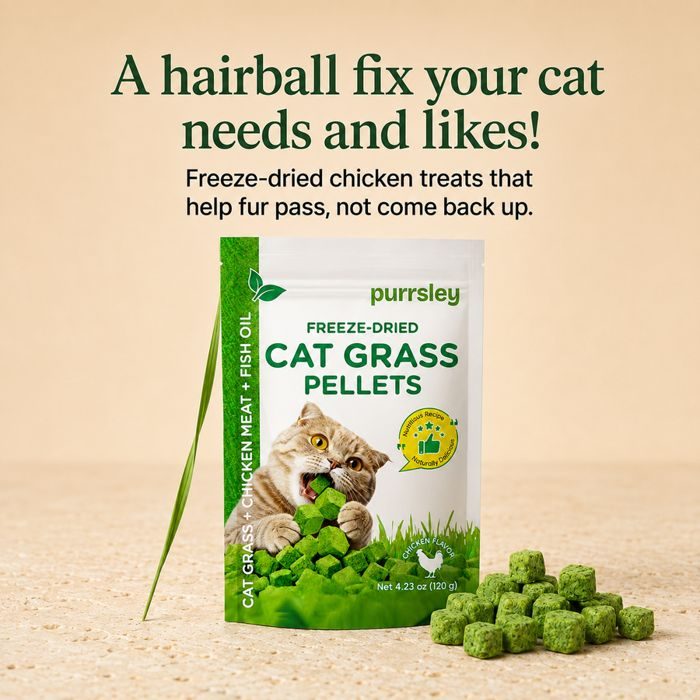
Purrsley Freeze-Dried Cat Grass Treats
- A treat she actually wants
- Cat grass fiber helps fur pass through to the litter box
- No gel, no syringe, no towel
- Takes a few weeks to show

Does your cat bring up a hairball every week or two? Have you tried a gel and ended up wearing most of it? Would you rather give her something she actually asks for? If that's your house, keep reading.
The email we get most often starts the same way: I've tried everything. Usually that means a gel she hated, a paste that ended up on the wall, a bag of hairball food she wouldn't touch, and a tray of cat grass that went moldy on the windowsill.
Below are all five, side by side, with the good and the bad for each. Ours included.
How we compared them
The 5 options, ranked
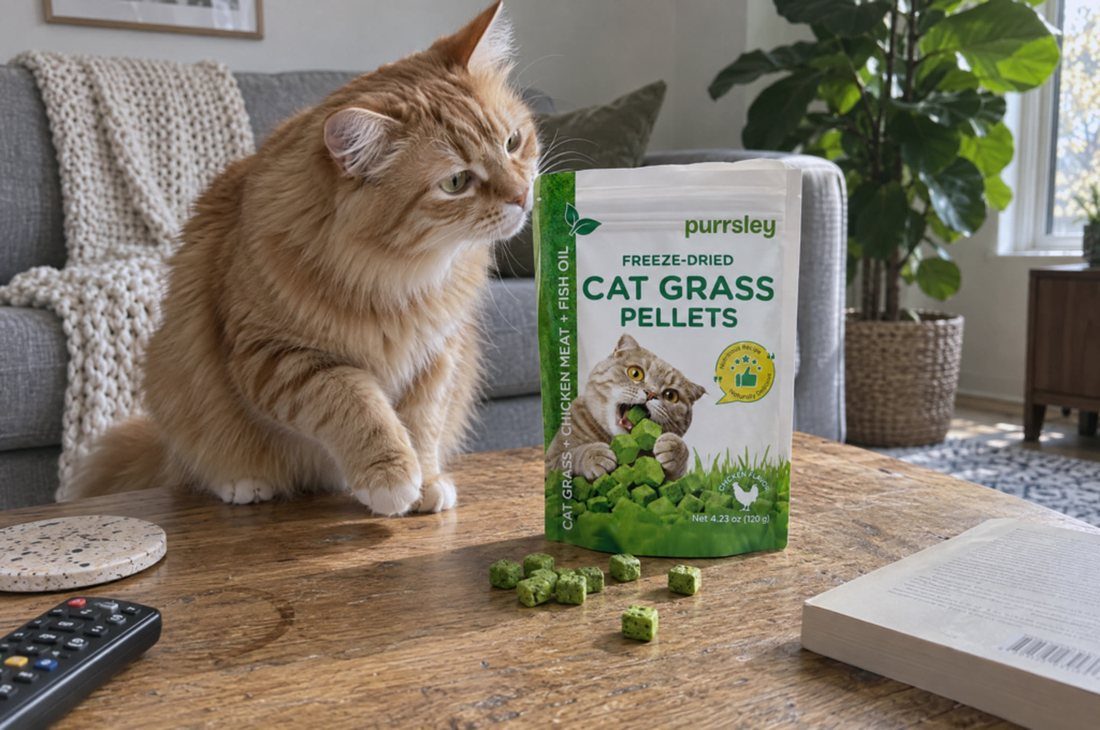
Purrsley Freeze-Dried Cat Grass Treats
- She eats it as a snack, because it's made with real chicken
- Real freeze-dried cat grass: the fiber helps swallowed fur move through
- No gel, no syringe, no towel
- Five ingredients: cat grass, chicken meat, liver, heart and fish oil
- Straight from the pouch or on top of her food
- Free tracked shipping to the US and Canada
- Works a little every day, so give it a few weeks
- One flavor (chicken). Skip it if she's allergic to chicken
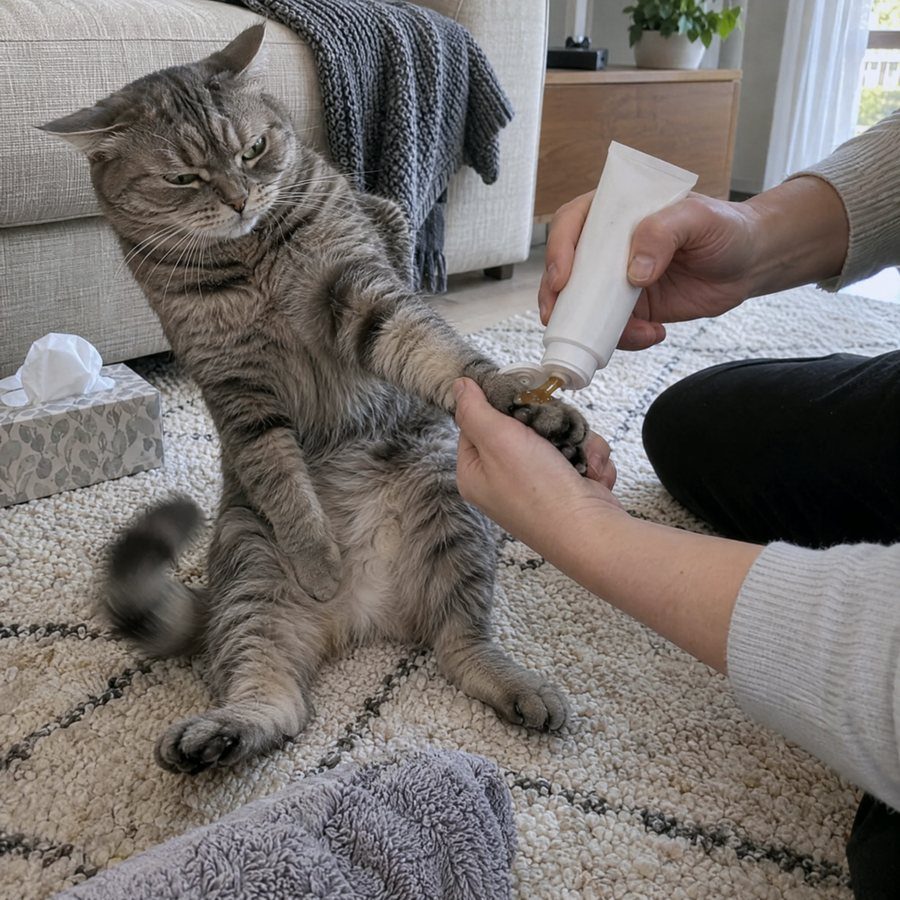
Hairball gels and pastes
- Easy to find in any pet store
- Cheap, around $10 to $17 a tube
- Coats swallowed fur so it slides through more easily
- Hard to get into a cat that doesn't want it
- Ends up on paws, walls and furniture
- Only works as long as you keep getting it into her
- Many are petroleum-based
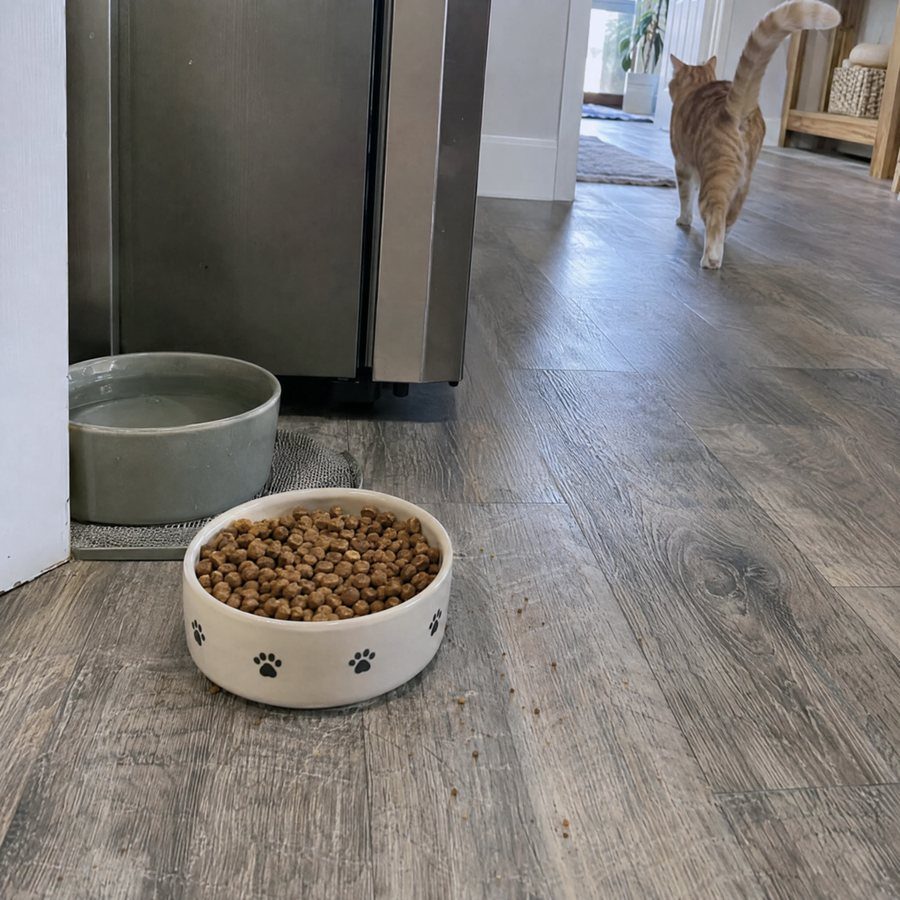
Hairball-control cat food
- No extra step once she's switched
- Adds fiber to every meal
- You have to change her whole diet
- Picky cats often refuse the new food
- Around $28 to $68 a bag
- Plenty of owners say she still throws up
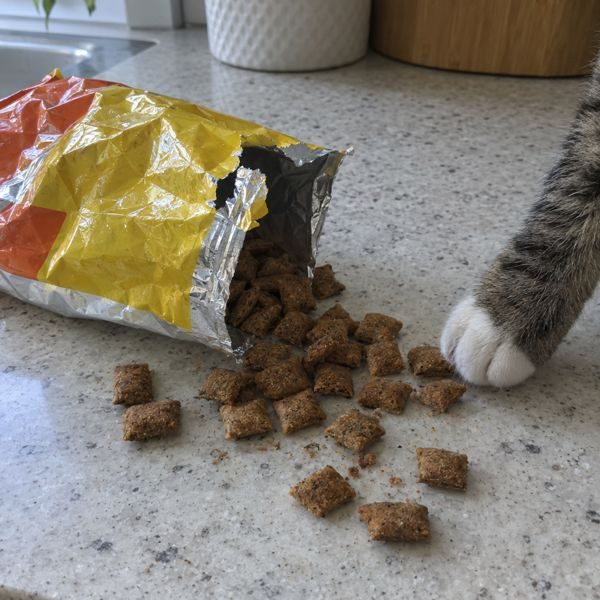
Cheap hairball treats
- Most cats will eat them
- Very cheap, a few dollars a bag
- Mostly flavor
- The fiber often comes from powdered cellulose, which is wood fiber
- Easy to overfeed as a snack
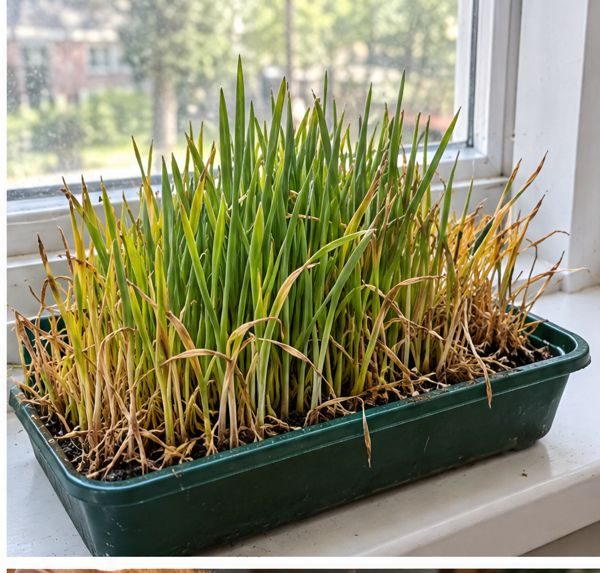
Cat grass trays
- The right idea, because outdoor cats eat grass
- Cheap to start
- Goes moldy or dries out within weeks
- Dirt on the windowsill and the floor
- Many cats ignore it, or eat it and bring it straight back up
Why Purrsley won
Every hairball has two ways out: back up onto your carpet, or through to the litter box. Gels aim for the second one by coating the fur so it slides along, which works if you can get the gel into her every time. Purrsley aims for the same exit with fiber instead. The freeze-dried cat grass helps swallowed fur keep moving, inside a treat she eats on her own, so it leaves in the litter box.
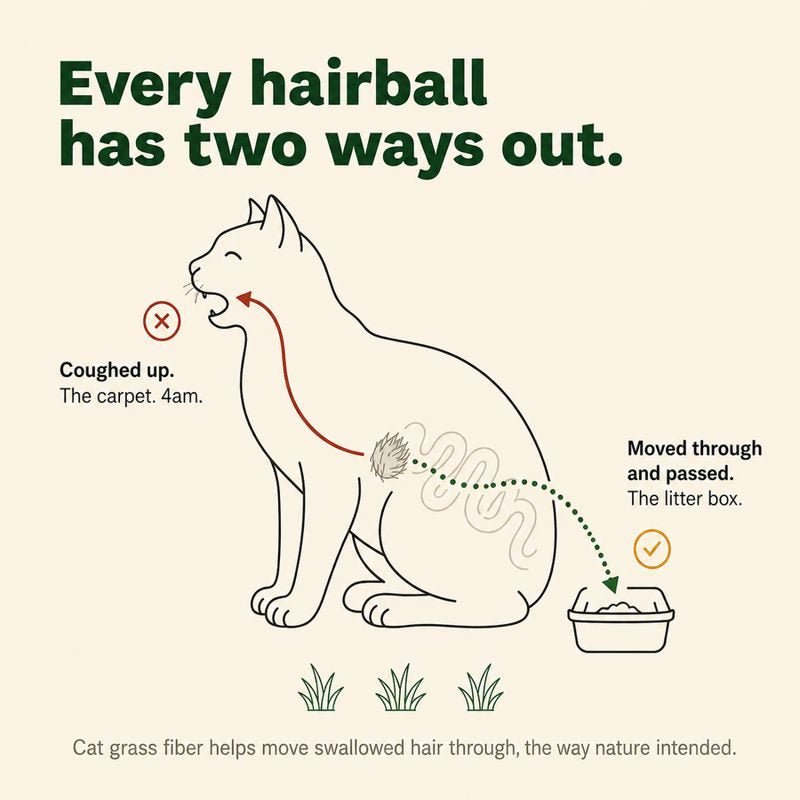
Outdoor cats handle this on their own. They eat grass. Indoor cats can't, so the fur has one easy way out, and it's usually your rug. PetMD describes high-fiber supplements as a natural way to sweep hair through the digestive system. Purrsley puts that fiber inside something she wants to eat.
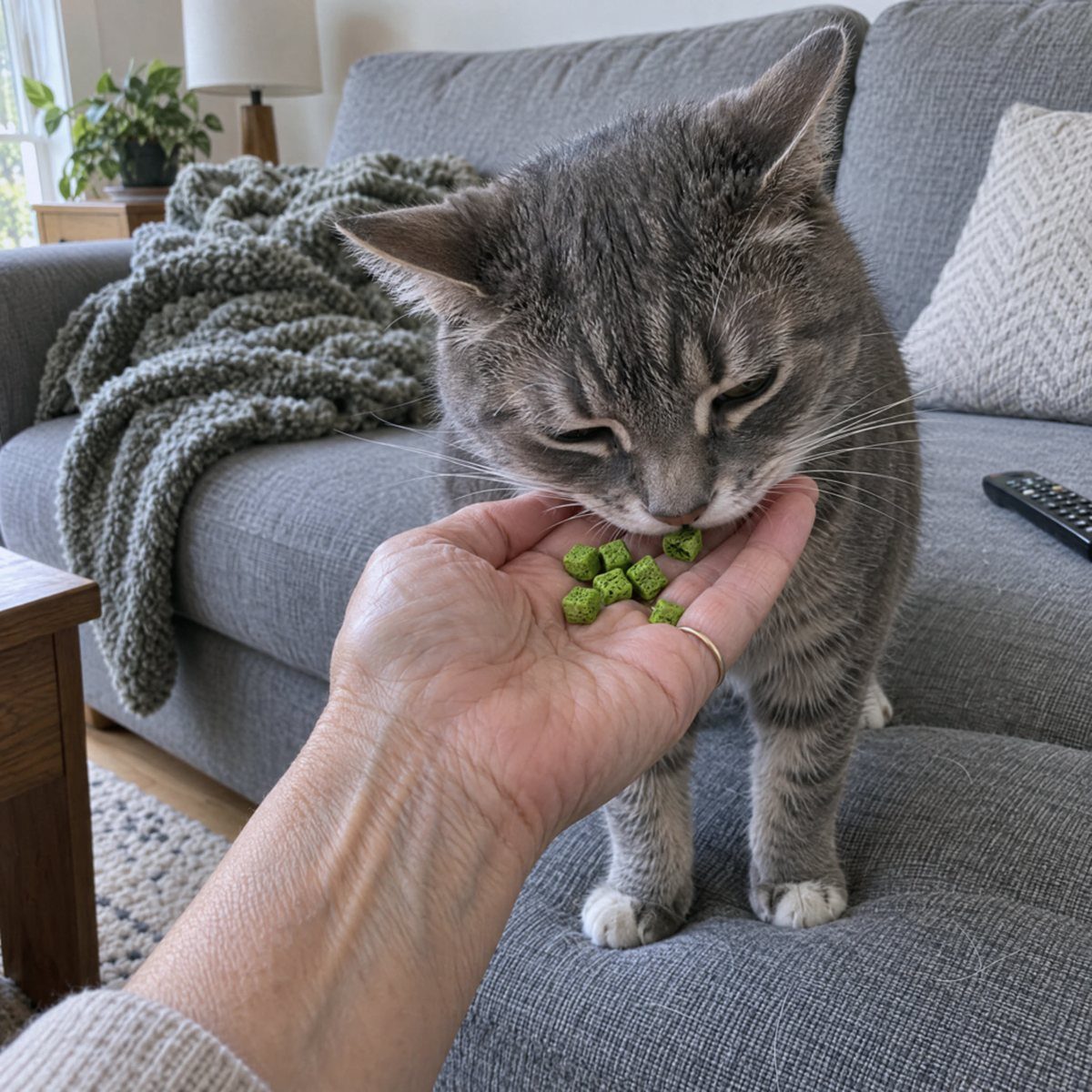
We expected picky cats to snub it. They didn't.
Here's the honest part first. The pouch smells like chicken when you open it, which is great for the cat and a bit much for you. It's a treat, so it won't do anything overnight. And it's chicken, so it's not for cats with a chicken allergy.
On the thing every other option struggles with, it does well. It's freeze-dried chicken meat, liver and heart with cat grass, so it smells like food. Brook C.'s four cats get through two bags a month.
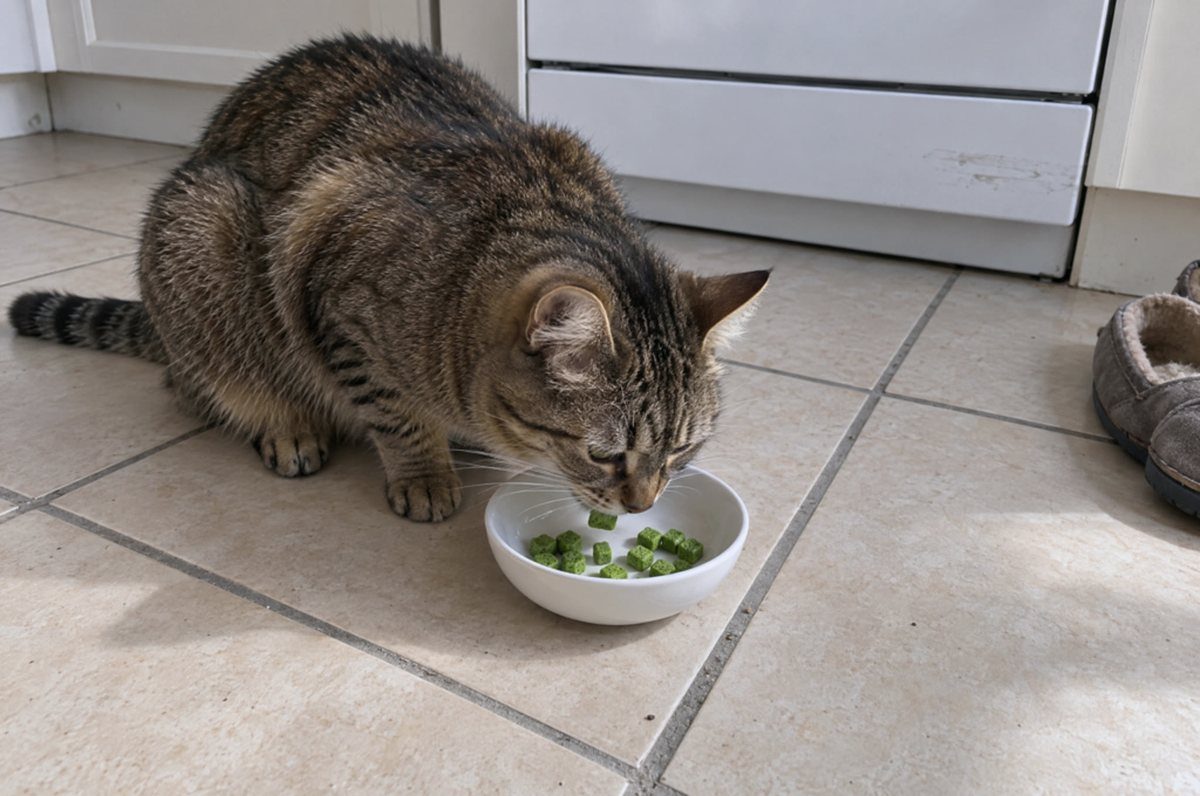
What's actually in it
There are five ingredients, and every one is doing a job.
 Cat grass
 Chicken meat
 Chicken liver
 Chicken heart
 Fish oil
Cat grass is the fiber that helps fur move through. The chicken meat is what makes her want it. Liver is naturally rich in vitamins and minerals, heart is a natural source of taurine, and fish oil adds omega-3s for her skin and coat.
How much is this actually going to cost you?
| Option | What you pay | Will she eat it? | Where the fur goes |
|---|---|---|---|
| Hairball gel or paste | $10 to $17 a tube | Often a fight | Through, if you get it into her |
| Hairball-control food | $28 to $68 a bag | Picky cats refuse it | Through, if she eats it |
| Cheap hairball treats | A few dollars | Yes | Little real fiber |
| Cat grass tray | Cheap, but you keep replacing it | Hit or miss | Through, until it goes moldy |
| One vet visit for hairballs | $50 to $150 | n/a | n/a |
| Purrsley | $38.98, second pouch free | Yes, she asks for it | Through, to the litter box |
Three carpet cleanings in six months. Or one pouch.
What you're giving up. Purrsley isn't instant, so give it a few weeks. It isn't sold in pet stores, and shipping takes 7 to 9 days. And it isn't medicine. If hairballs are constant, or she retches and nothing comes up, that's a vet visit first.
What cat owners are saying
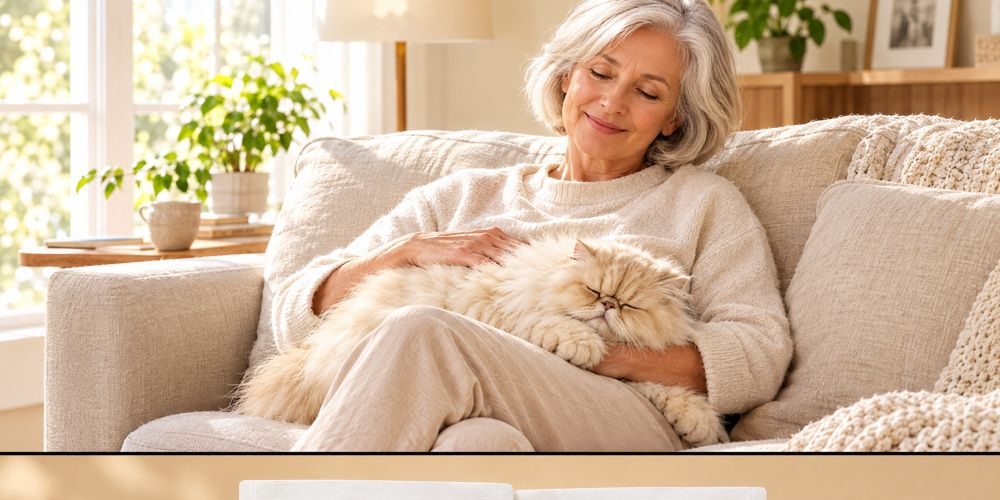
"I have four cats, so unless you fix it, you get to hear that sound four times as often, every single day." Now: "we go through two bags a month. I think they genuinely like them because there's actual chicken inside."
Brook C. · Verified buyer"We tried gels and pastes before and she'd still throw up. I always had to basically force feed her. This worked like a charm though. Totally recommend."
Anna M. · Verified buyer"I had to get my carpet completely cleaned three times in the last six months, which is a real pain." Now "it all comes out normally, just in the litter box. Perfect solution."
Mark · Verified buyerYour questions, answered
Will my picky cat actually eat it?
That's the question we get most, and it's why Purrsley is a treat and not a gel. It's freeze-dried chicken meat, liver and heart with cat grass, so it smells like food. We can't promise yours will, and that's what the 30-Day Empty Carpet Guarantee is for.
How is this different from hairball gel?
Gels coat swallowed fur so it slides through, but only if you can get them into her. Purrsley's cat grass fiber helps it move through too, from inside a treat she eats on her own. And there's nothing to wrestle onto her paw.
How many should I give her?
Start with just a few a day and let her set the pace. The right amount depends on her weight, and the full feeding guide is on the pouch. Always keep fresh water out.
When will I notice a difference?
We won't promise a date, because every cat is different. Give it three or four weeks of daily treats. Around week two, have a look in the litter box. Fur in there means it's going the right way.
Is it OK for senior cats and kittens?
It's made for cats three months and older, and older cats are often the ones who need it most, because digestion slows down with age while grooming doesn't. It does contain chicken, so skip it if your cat has a chicken allergy.
What if she won't eat it?
Email Purrsley within 30 days of ordering. The 30-Day Empty Carpet Guarantee means that if your cat turns her nose up, they'll refund you.
How long does shipping take?
Shipping is free and tracked across the US and Canada, and it usually takes 7 to 9 days.
Our verdict
If your cat brings up hairballs every week or two and you're done with the gel fight, this is the one we'd try first.
If she's allergic to chicken, or the hairballs come with other symptoms, skip it and talk to your vet.
In a few weeks you'll either be counting days without a hairball, or you'll still be checking the rug before your coffee.
References
- Cornell Feline Health Center, "Hairballs": how common they are, which cats are at higher risk, and when to see a vet.
- PetMD, "Hairballs in cats": high-fiber supplements as a natural way to sweep hair through the digestive system.
- Catster, citing Cornell: cats spend about two to five hours a day grooming.